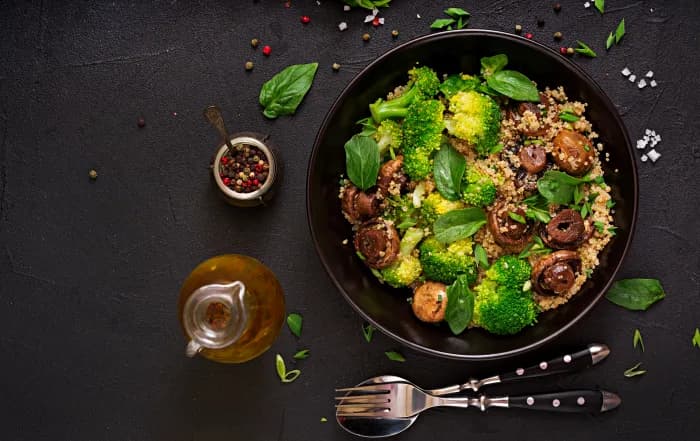
Vegetarianism is a way of eating in which plant-based rather than animal-based foods make up the bulk of the diet. People who adopt a vegetarian diet eat plant foods, while consuming animal foods — meat, poultry, fish, eggs, milk, cheese, yoghurt — either in small amounts or not at all.
In recent years the vegetarian diet has been chosen as protection against chronic conditions such as cardiovascular disease, hypertension, diabetes and cancer, but it is preferred for many other reasons as well. Among them: societies eating predominantly grain-based diets, easy access to milk and eggs versus the short shelf life of meat once an animal is slaughtered, and meat being an expensive source of food.
Types of Vegetarian Diet
Vegetarian diets vary according to which food groups they restrict. Turkey's Directorate of Healthy Nutrition and Active Life summarises them as follows:
Vegan diet: No food of animal origin is consumed. The diet consists of grains, vegetables and fruit, and legumes. Worldwide, those following a vegan diet are comparatively few. Veganism also has its own sub-groups.
Lacto-vegetarian diet: Alongside plant foods, milk and dairy products are the only animal-derived foods consumed.
Ovo-vegetarian diet: The diet includes eggs alongside plant foods, while meat and milk are not consumed.
Lacto-ovo vegetarian diet: Milk and eggs are consumed. It is the most widely practised form of vegetarianism today.
Pollo-vegetarian diet: Red meat is not consumed. Alongside plant foods, the only animal foods eaten are poultry such as chicken and turkey.
Pesco-vegetarian diet: Red meat is not consumed here either. Alongside plant foods, the only animal foods eaten are fish and seafood such as mussels.
Semi-vegetarian diet: Red meat is not consumed. Chicken and fish are eaten in limited amounts. Semi-vegetarians consume eggs, milk and dairy products as they wish.